
Why Wearable Tracker Technology in 2025?
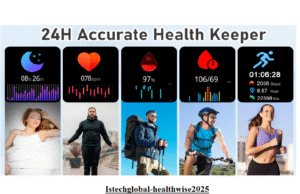
Welcome! Let’s dive into why wearable technology devices are one of the most talked-about innovations in 2025. Join Akins’s Blog as we explore the exciting world of wearable technology—devices that have taken the world by storm. The purpose of this blog is to bring to you awareness of the importance of this technology and its functionality
These smart gadgets have been around for years, but scientists continue to push boundaries, improving their accuracy, comfort, and intelligence. Kudos to the brilliant minds advancing this field and helping us better understand and manage our health through technology.
In this article, we’ll look at the history of wearable technology, highlight key inventors and innovations, and explore how wearable are transforming health, fitness, and the workplace.
A. What Are Wearable Trackers?
Wearable trackers are digital devices worn on the body that collect and analyze data in real time. Common examples include smartwatches, fitness bands, sleep rings, and even smart clothing.
Heart rate and calories burnedBlood oxygen and blood pressureSleep quality and stress levelsIrregular heart rhythms
Wearable technology has evolved from simple fitness gadgets into powerful health and productivity tools. In 2025, the market continues to grow rapidly—driven by advances in AI, IoT, and real-time health analytics.B. How Wearable Have Evolved
17th Century: Pocket watches were the first portable “wearables.”1960s: Early wearable computers and head-mounted displays appeared.1970s: Calculator watches introduced digital computing on the wrist.1980s–1990s: Polar Heart Rate Monitors brought wearable into fitness.2000s–2010s: Bluetooth headsets, Fitbit, and the Apple Watch revolutionized tracking.2020s–2025: Smart fabrics and medical-grade devices detect illnesses before symptoms appear.
C. Key Drivers of Wearable Evolution
Miniaturization: Smaller components allow sleek, comfortable designs.Advanced Sensors: Modern biosensors track heart rate, glucose, and more.Smartphone Integration: Seamless connectivity makes data accessible anytime.AI and Cloud Analytics: Predictive insights from real-time data.
Key Benefits: Health tracking, early disease detection, workplace wellness, and lifestyle convenience.D. Challenges and Concerns
While wearable offer immense benefits, they also raise some challenges:
Privacy & Security: Protecting sensitive health data is critical.Accuracy: Not all devices provide medical-grade precision.Cost: Premium models can be expensive.Dependence: Users might rely too heavily on devices over healthy habits.
Manufacturers and governments continue to strengthen data protection and transparency standards to ensure user trust.E. Health & Workplace Benefits
Health Monitoring: Track workouts, sleep, heart rate, and oxygen levels in real time.
Preventive Care: AI-powered wearable predict potential health risks before symptoms appear.
Workplace Wellness: Companies use wearables to improve employee wellness, reduce burnout, and monitor fitness programs.
F. Leading Companies in Wearable Technology
1. Apple
The Apple Watch SE remains a top choice for fitness and productivity. It features heart rate tracking, workout guidance, and smart notifications—all on your wrist. Sync with AirPods Pro 3 for real-time coaching and 4K fitness videos. Learn more at Apple.com.
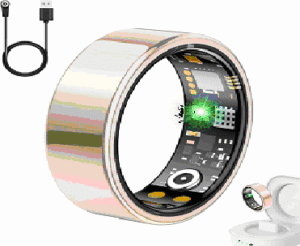
Health Tracker Ring, Smart Health Ring for Women Men with Heart Rate, Blood Oxygen, Sleep Monitor, Steps,Calories, No Subscription Fee, IP68 Waterproof…
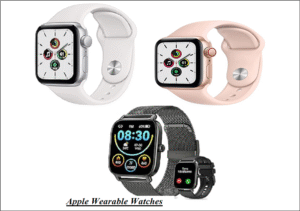
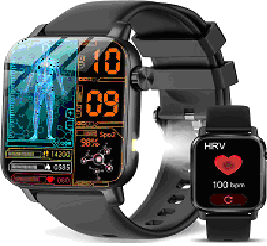
Please Click here now to learn more about these wearable technology watches and Bracelets.
2. Meta (Facebook)
Meta’s wearable glasses—like Ray-Ban Meta—merge style and function. Users can capture photos, take calls, listen to music, and use Meta AI for real-time translation. The Meta Quest 3 and Quest 3S offer immersive VR/AR experiences for gaming and productivity.
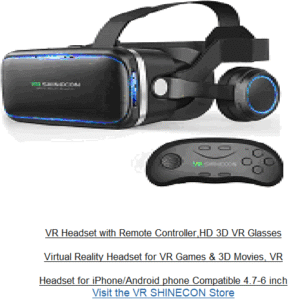
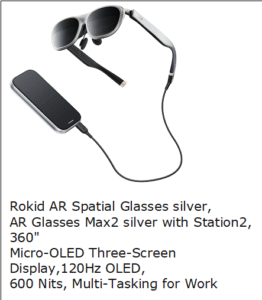
Click here now to learn about Rokid AR Spatia Glassess and Vr Headset
3. Fitbit (Google)
Founded by James Park and Eric Friedman, Fitbit now integrates with Google. The Fitbit Versa 4 and Charge 6 track over 40 workout modes and sync with smartphones for deep health insights.
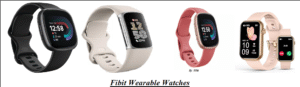
Please Click her to learn more about these amazing wearable technology watches
4. Vital Trackers
Vital Fit Track’s sensors measure heart rate, oxygen, and movement, syncing with an app to provide personalized health recommendations.
G. The Future of Wearable
Future innovations include AI-driven health predictions, healthcare integration, and smart clothing that’s nearly invisible. Workplaces will adopt wearable to promote safety and productivity.
Final Thoughts
Wearable technology is no longer just about counting steps—it’s about enhancing well-being, safety, and performance. These smart devices are reshaping how individuals and companies approach health in a connected world.
About the Author

Akin Fadeyi is the founder of ISTech Global, a platform connecting tech professionals with job opportunities worldwide. He writes about recruitment trends, AI, wearable technology and the future of work. Click here now to learn more about our product and services at istechglobal.com/
“HAPPY HOLIDAYS” to all of you
Please mention istechglobal.com at your social media platform. Thxs.